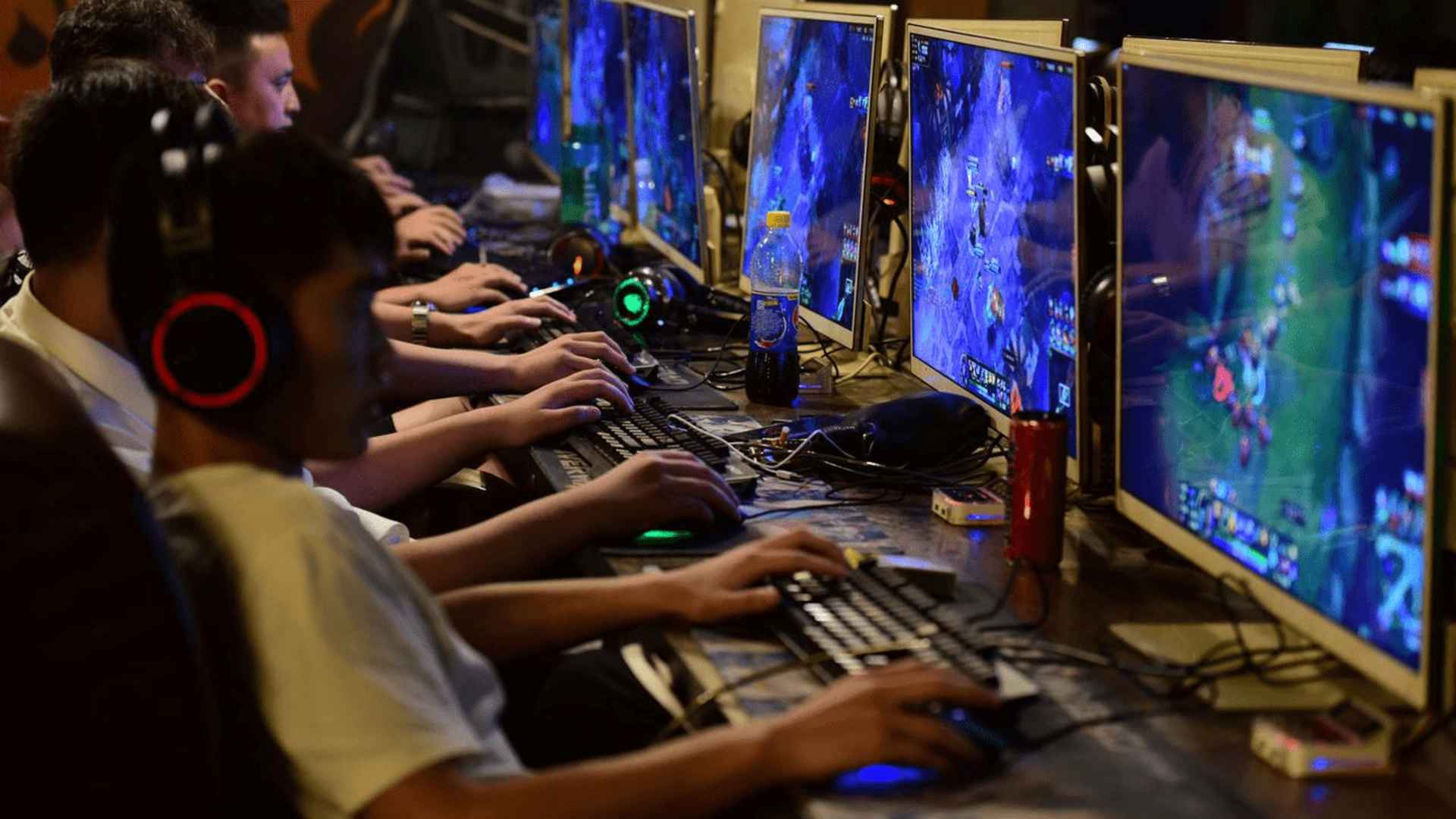
The digital wagering landscape has experienced a monumental shift toward real-time interactive entertainment as players look for deeper connections and authentic atmospheres. Live dealer casino platforms have successfully bridged the gap between digital accessibility and the social energy of physical establishments. To maintain this delicate balance, modern operators must prioritize high-end streaming infrastructure that minimizes lag and prevents graphical disruptions.
The Core Technologies Driving Real-Time Streaming
Delivering an uninterrupted live stream from a specialized casino studio to millions of individual devices requires sophisticated broadcasting engineering. High-definition cameras capture every movement of the professional croupiers, while advanced optical character recognition instantly translates card and wheel values into digital data. This seamless integration ensures that betting results are completely transparent and updated within milliseconds.
Furthermore, cloud-based data ingestion systems allow these networks to handle immense spikes in web traffic without crashing during peak gaming hours. Low-latency streaming protocols are continuously optimized so that interactive elements remain synchronized with the video feed. When these underlying systems operate smoothly, players can focus entirely on their gameplay strategy rather than technical issues.
Enhancing Trust and Player Confidence Through Reliability
In the world of online entertainment, smooth performance is directly tied to platform credibility and user retention. Players are naturally hesitant to wager funds on systems that exhibit constant buffering, freezing, or disconnected sessions. Ensuring absolute precision during physical card shuffles or roulette spins builds long-term consumer trust and fulfills strict regulatory requirements.
When a platform invests heavily in low-latency infrastructure, it establishes itself as an authoritative and safe destination for enthusiasts. Utilizing a secure M88 Login alternatif can provide an excellent example of how modern services implement reliable network alternatives to keep connection lines fast and resilient. This level of technical oversight reassures the audience that their gaming sessions remain completely fair and legally compliant.
The Critical Role of User Interface Design
Even the fastest broadcasting feed can feel cumbersome if the accompanying digital layout is poorly constructed or confusing to navigate. Successful platforms employ intuitive overlays that let users adjust their betting limits, view past results, and interact with the dealer effortlessly. A well-designed user interface minimizes visual clutter so that the main focus remains on the professional table action.
Compatibility across multiple operating systems represents another essential pillar of an effective user interface setup. Whether logging in from a high-powered home desktop or utilizing a smartphone on a brief transit break, the stream must adjust its bitrate dynamically. This flexibility guarantees that the software remains usable regardless of individual hardware limitations or temporary changes in network strength.
Future Horizons for High-Performance Gaming
As technological capabilities expand, the requirements for maintaining seamless live dealer operations will undoubtedly become even more demanding. Emerging video enhancement techniques powered by lightweight machine learning algorithms are beginning to optimize bandwidth distribution in real time. These developments allow for incredibly sharp visuals while simultaneously reducing data consumption for mobile players.
The integration of personalized gaming lobbies and multi-camera perspectives will continue to push the boundaries of what virtual environments can offer. By focusing firmly on infrastructure resilience and user convenience, developers can create truly immersive spaces that rival real-world destinations. Ultimately, sustained success in the iGaming industry depends on providing flawless execution alongside highly engaging gameplay.