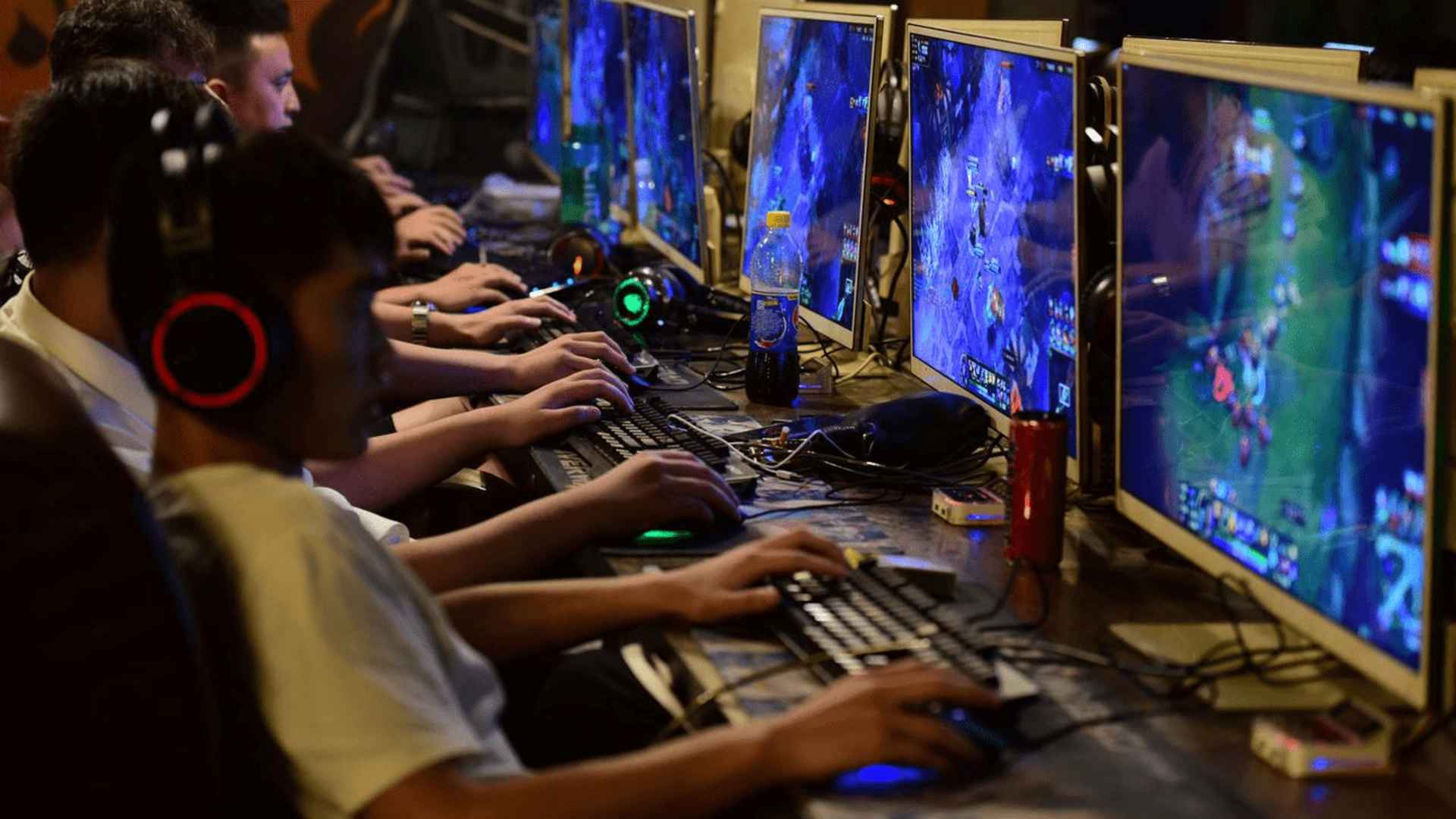
The modern gaming landscape has undergone a significant transformation, moving away from simple individual achievements toward complex environments that prioritize collective synergy. Today, developers focus on designing mechanics that require players to combine their unique talents rather than relying solely on isolated execution. This evolution ensures that virtual teams must adapt to dynamic scenarios through real-time communication and shared strategies.
The Evolution of Cooperative Mechanics
Traditional multiplayer systems often relied on standardized roles that offered limited room for individual creative expression. Modern game design breaks these boundaries by introducing intricate systems where diverse character abilities must be explicitly synchronized to achieve success. These shared environments foster deep collaboration, pushing players to explore advanced strategies that go beyond basic reflex-based execution.
As teams encounter increasingly complex objectives, the reliance on high-level cognitive flexibility becomes paramount. Participants are encouraged to study the underlying mechanics and predict their teammates' actions to optimize overall performance. This shift transforms standard competitive matches into deeply rewarding exercises in collaborative problem-solving.
Balancing Individual Merit and Group Success
Achieving equity across diverse player capabilities remains one of the ultimate goals for contemporary developers seeking long-term retention. Modern matchmaking systems increasingly look past basic statistics to measure how well an individual contributes to the overall group dynamic. This approach helps reduce the impact of toxic environments while highlighting the true value of team-oriented coordination.
When players realize that their unique talents are amplified by their peers, the overall engagement with the virtual landscape increases dramatically. To enhance your personal gaming journey and connect with platforms that support interactive gaming hubs, you can utilize the m88 asia login portal for diverse options. Engaging with these highly structured ecosystems helps participants refine their personal playstyles while contributing effectively to collective milestones.
The Impact of Advanced Infrastructure
The rapid advancement of global network infrastructure has successfully allowed developers to build highly responsive environments that react instantly to group inputs. This technical optimization ensures that split-second decision-making and synchronous tactics are executed flawlessly across different regions. As latency barriers continue to diminish, the potential for innovative group maneuvers expands exponentially.
Furthermore, real-time communication tools have been deeply integrated into modern platforms to allow instantaneous strategic adjustments. Instead of relying on slow text commands, players can coordinate complex defensive setups or synchronized attacks on the fly. This seamless connectivity turns online matches into highly dynamic digital events that demand total team alignment.
Emerging Trends in Competitive Formats
The rise of organized esports has further accelerated the demand for multiplayer experiences that showcase skill-based team innovation. Professional tournaments continually introduce dynamic seasonal changes and unique map objectives to test the absolute limits of team adaptability. Elite competitors must constantly analyze shifting systems to maintain their standing on global public leaderboards.
These structured environments provide a sustainable loop that keeps both veteran players and casual communities thoroughly entertained over long periods. As developers refine progression tracking and reward cooperative milestones, the future of collaborative digital entertainment looks incredibly promising. The journey from casual cooperation to professional mastery remains a thrilling space driven by intellectual adaptability.