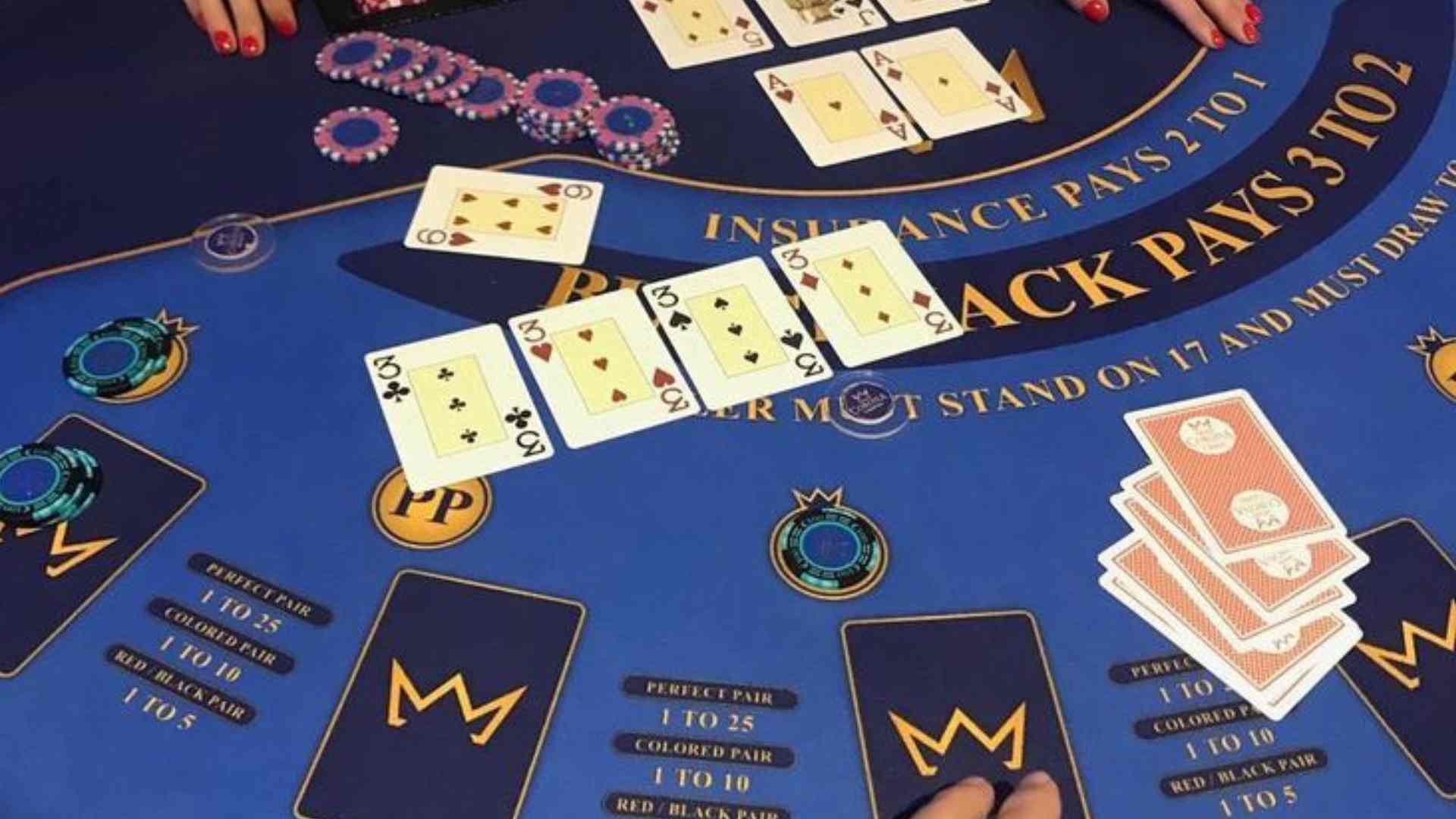
Success at the poker table is rarely defined by the cards you receive, but rather by how efficiently you navigate complex strategic situations. While short-term variance can mask structural leaks, repetitive operational mistakes will eventually compromise your long-term win rate. Identifying and correcting these critical blind spots is the initial step toward safeguarding your bankroll and securing better competitive results.
Misjudging Board Textures and Relative Value
Many developing enthusiasts evaluate the strength of their hand in a complete vacuum without considering how the community cards interact with their opponent's potential holdings. A strong preflop pocket pair can instantly transform into a highly vulnerable marginal hand if the flop brings multiple coordinated drawing possibilities. Failing to adjust your strategic aggression based on shifting board dynamics frequently leads to massive chip accumulation errors.
Observant competitors actively monitor how community cards alter the relative value of every single hand involved in a pot. When you ignore the likelihood of completed flushes or straight combinations, you invite unnecessary complexity into your decision-making process. Learning to slow down when the board texture shifts against your range will immediately preserve your capital for much better scenarios.
Failing to Capitalize on Positional Leverage
Seating position remains widely regarded as one of the most vital yet consistently overlooked elements of a profitable poker strategy. Operating early in a betting round forces you to act with incomplete information, leaving you exposed to tactical manipulation from players who speak later. Disregarding the immense advantage of acting last is a fundamental mistake that steadily drains your potential earnings over time.
Consistently entering pots from disadvantageous positions requires an extraordinary amount of defensive skill to maintain profitability. By shifting your primary aggression to scenarios where you possess absolute positional control, you can dictate the final size of the pot more effectively. Enthusiasts who prefer testing their tactical adjustments in a secure setting often utilize an m88 asia login to practice these positional dynamics in real time.
Allowing Mathematical Gaps to Fuel Reckless Draws
Chasing low-probability draws without calculating proper pot odds is a highly destructive habit that destroys continuous winning momentum. Many casual players focus entirely on the excitement of hitting a winning card on the river while completely ignoring the underlying mathematical reality. This flawed mindset turns what should be a calculated strategic choice into a reckless long-term gamble.
Understanding how to compare your actual card equity against the financial cost of a call is essential for long-term sustainability. When you consistently pay an incorrect price to see subsequent cards, you systematically reduce your overall profitability across multiple sessions. Cultivating strict mathematical discipline prevents your chip stack from dissipating during high-stakes variance cycles.
Letting Temporary Setbacks Trigger Emotional Tilt
Maintaining a completely objective, analytical mindset is what separates experienced professionals from struggling amateurs over an extended playing career. Allowing a sudden bad beat or a temporary run of poor card variance to dictate your tactical decisions leads directly to emotional instability. Once logical reasoning is replaced by frustration, your overall execution quality will deteriorate rapidly.
Recognizing the early internal signs of psychological stress allows you to step away from the table before ruining your hard-earned progress. A disciplined player understands that short-term losses are simply an inevitable component of the game rather than a failure of strategy. Protecting your mental resilience remains just as critical as mastering the technical mechanics of poker.