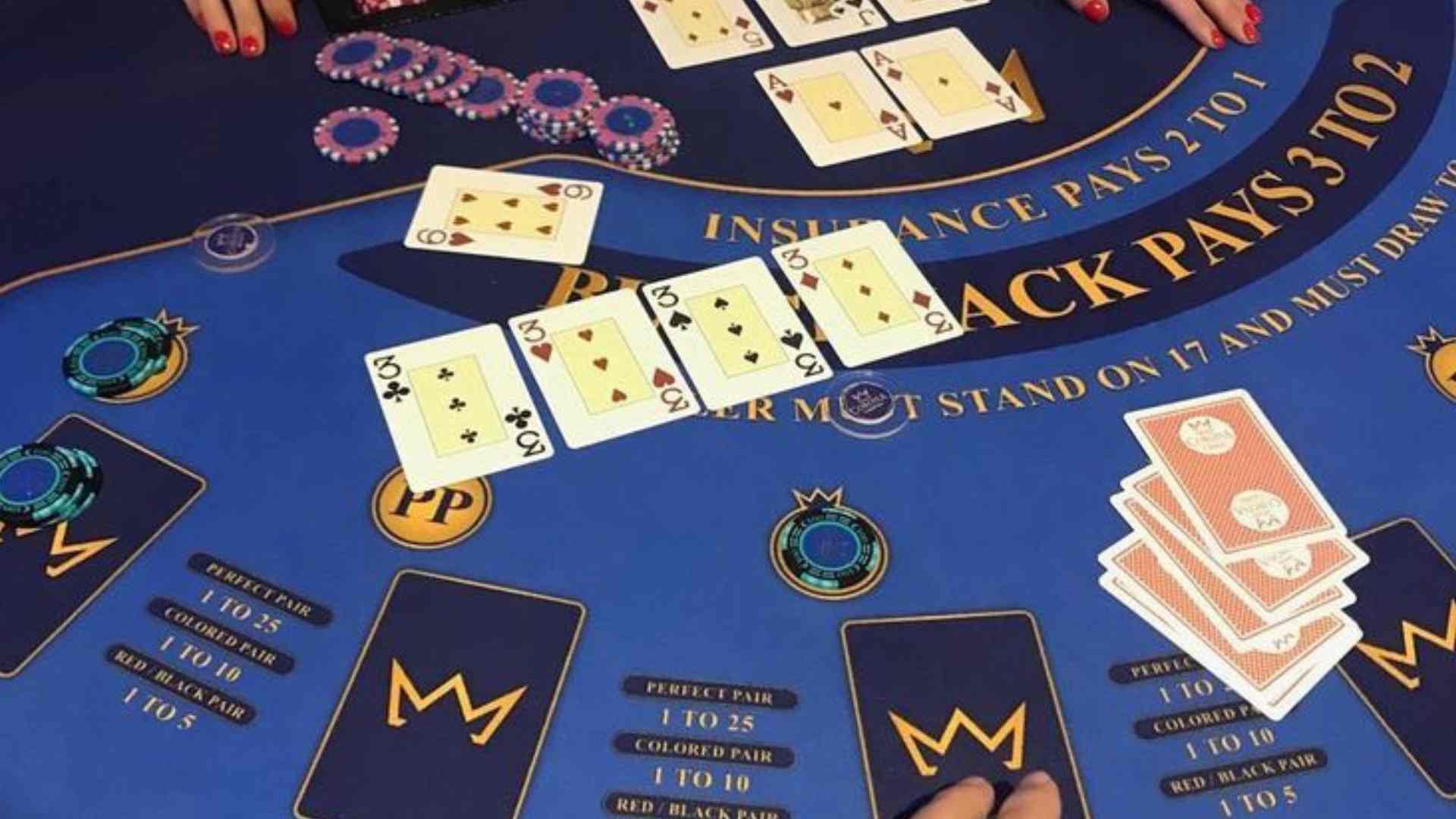
Fast baccarat formats have changed how online casino tables operate by significantly speeding up the handling of cards and bets. At the heart of this rapid experience is the dealer, whose responsibilities are carefully timed to ensure flawless execution without delays. Understanding how dealers manage these swift rounds gives players valuable insight into the rhythm and structure of the game.
The Initial Setup and Card Handling Protocols
In a rapid baccarat session, the dealer initiates each round immediately after the brief betting countdown expires. Unlike traditional games where cards might be revealed slowly to build tension, fast baccarat dealers expose the hand totals right away. This efficient card delivery keeps the table moving smoothly while eliminating unnecessary downtime between rounds.
Dealers rely on automated shoes and digital scanning systems to track card values as soon as they leave the deck. This technology instantly updates the table interface for remote players, reducing human calculation errors. Consequently, participants can follow hand results in real time without waiting for manual score entries.
Managing Third Card Rules Under Tight Timeframes
Drawing additional cards in baccarat follows strict, fixed guidelines that leave no room for dealer discretion. In fast-paced variants, the dealer must assess whether the Player or Banker hand requires a third card within seconds. Their specialized training enables them to recognize drawing conditions instantly without pausing the game flow.
Players who access tables via the m88 app download often notice how seamlessly these decisions occur on mobile interfaces. The physical dealer and online software work in complete synchronization to apply house rules accurately. This combination guarantees that every natural win or third-card draw is completed correctly and transparently.
Payout Calculations and Table Synchronization
Once the winning side is established, the dealer oversees the automated payout system before clearing the table. In digital environments, chip distribution is handled instantly by integrated software, freeing the dealer to prepare the shoe for the next round. This division of labor allows the game to maintain a constant, rapid pace.
Dealers also maintain constant visual contact with their digital monitors to monitor table state alerts. If a physical card misdeal occurs, established pit protocols allow the dealer to pause and resolve issues quickly. This disciplined approach preserves table integrity while minimizing interruptions for active players.
Maintaining Professional Pace and Table Control
Controlling the energy of a rapid table requires a high level of dealer focus and professional discipline. Dealers must maintain clear gestures and precise movements so security cameras and digital sensors can verify every action. This systematic body language reassures players that the game remains fair and regulated.
Ultimately, the dealer serves as the steady anchor in an otherwise fast-moving environment. By managing card deals, drawing rules, and table flow with expert precision, they create a reliable structure for participants. Recognizing their central role helps players better appreciate the mechanical balance behind rapid casino games.